Guest Contributor
September 8, 2014
Latest Articles, Opinion
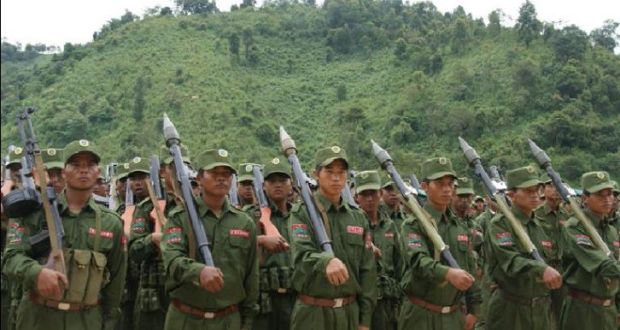
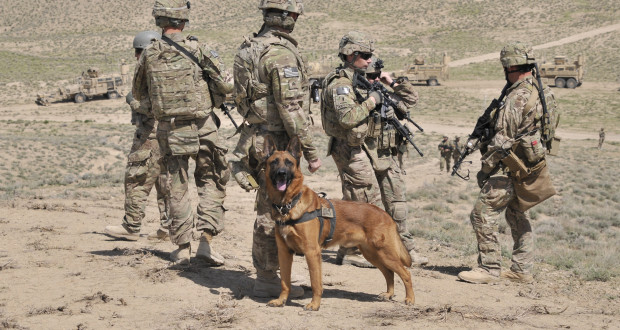
Civilian and military actors have operated together in hostile environments for many years, delivering crucial work to save the lives of those caught in crises. Historically, militaries, NGOs and political actors have most frequently worked closely together in the field of humanitarian crises, with activities usually coordinated to deliver aid and assistance by over-arching national or international organisations taking the lead in planning.
Read More »
Zaneta Sedíleková
September 5, 2014
Latest Articles, Sub-Saharan Africa
In the age of globalisation, corporate responsibility can be a highly contentious issue. On the one hand, corporations can create job opportunities, increase gross domestic product and overall quality of life in countries where they are officially incorporated. On the other hand, extraction of natural resources from developing countries often contributes to destabilisation of the official governmental structure and gross violations of Human Rights. The positive impacts of corporate activity in one state make corporate criminal responsibility in another state a politically sensitive issue.
Read More »
Rowan Allport
September 2, 2014
Latest Articles, Security and Defence
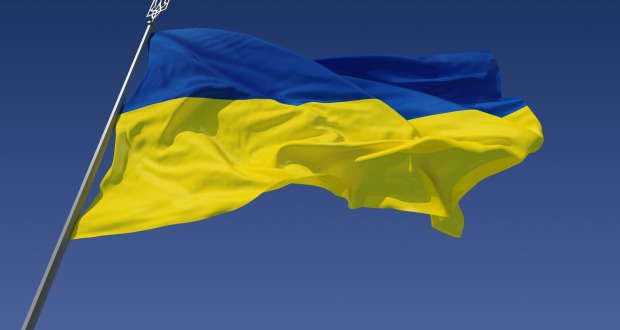
Whatever Russia’s ultimate intentions in Ukraine are following their annexation of Crimea, NATO – an organisation that was facing what some saw as existential questions post-Afghanistan – is now required to once again turn its attention to the defence of its member states.
Read More »
Daniel Curwin
September 2, 2014
Latest Articles, Middle East and North Africa, The Policy Unit
On August 10th, 2014, Turkish Prime Minister Recep Tayyip Erdogan of the Justice Party and Development Party (AK) made history by winning Turkey’s first-ever direct election for President[1]. The victory capped off a tumultuous third term as Prime Minister which saw Erdogan feud with the judiciary, accuse top military brass of treason, and preside over the violent suppression of peaceful protests[2].
Read More »
admin
September 1, 2014
Latest Articles, Press Releases
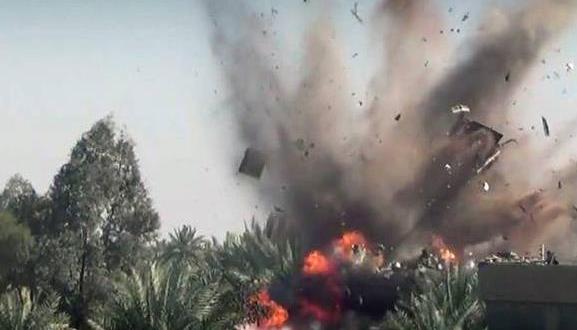
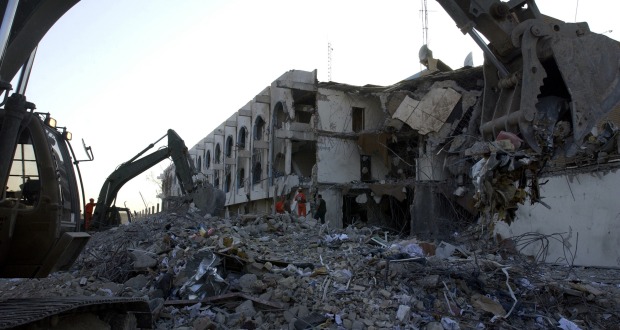
An independent report on the 1 September 2013 massacre at Camp Ashraf in Iraq, published on the one-year anniversary of the attack, has confirmed the suspected involvement of the government of outgoing Iraqi Prime Minister Nouri al-Maliki. The report, which incorporates the testimonies of the 42 surviving eyewitnesses to the massacre, was compiled by the Human Security Centre (HSC), a London-based global foreign policy think tank; and the Ashraf Campaign (ASHCAM), a human rights group set up last year to advocate for Iranian refugees living in Iraq.
Read More »
Anna Chisholm
August 28, 2014
Latest Articles, Sub-Saharan Africa
Adopted by the Bashir government and the Sudan People’s Liberation Movement/Sudan People’s Liberation Army (SPLM/A), the Comprehensive Peace Agreement (CPA) was signed in 2005 to end the North-South conflict. Resultantly, Sudanese constitutional law was codified in the Interim National Constitution of the Republic of Sudan 2005 (INC). Indeed, the human rights commitments expressed in the CPA went on to form the basis of the Bill of Rights (part two of the INC). It is significant to note that the INC was intended to be a transitional tool at a time of political unrest, not a permanent constitution. Despite this, the INC currently remains in force.
Read More »
Andrada Filip
August 28, 2014
Latest Articles
Refugee flows have always represented a sensitive issue in the field of International relations. However, the responses by the international community and the various interpretations which were given to the movement of populations from conflict zones change. This depends on the international, regional and national contexts in which a given crisis is unfolding and how it is being analyzed by key stakeholders.
Read More »
Anna Chisholm
August 28, 2014
Asia and Pacific, Latest Articles
Delhi, 15th August 2014, Narendra Modi addressed the nation in his first Independence Day speech as Indian Prime Minister. The ramparts of the iconic Red Fort provided a familiar setting. However, the content of Mr Modi’s speech broke from tradition. Notable was his impassioned plea for a shift in attitude on the issue of violence against women – an issue that, by his reckoning, still brings shame to India
Read More »
Thomas Hauschildt
August 23, 2014
Latest Articles
Today is the ‘International Day for the Remembrance of the Slave Trade and Its Abolition’. This week the international society remembers the slave trade and its abolition. However, with an estimated 20-30 million victims subject to modern-slavery, this crime is still all too present in our societies.
Read More »
Emily Daglish
August 22, 2014
Latest Articles, The Policy Unit
The deadline for a nuclear agreement with Iran has been extended until November 2014, whilst the sides try to bridge gaps that remain between them. At this time, the consequences of an agreement, and those of a failure to reach one, could define regional stability and security in the near future.
Read More »