 Human Security Centre Human Rights and International Security Research
The HSC’s Executive Director, Julie Lenarz, was on BBC Radio Drivetime debating Islamic extremism and Western foreign policy.
Read More »
The HSC’s Executive Director, Julie Lenarz, was on BBC Radio Drivetime debating Islamic extremism and Western foreign policy.
Read More »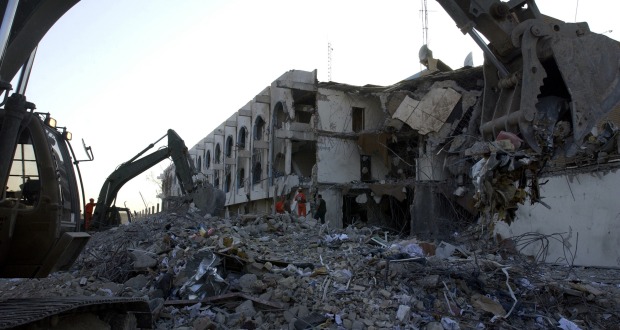
In the past month, two American journalists, James Foley and Steven Sotloff, and one British aid worker, David Haines, were beheaded by the Islamic State (IS), bringing to the public fore the question of kidnapping for ransom (KFR). Terror-related KFR is a worrying, growing and increasingly violent trend that raises a difficult dilemma to governments: should states, businesses and families comply with terrorist groups in order to save the lives of the kidnapped, or should these men be left behind in order to fight against terrorism? What remains certain is that the payment of ransom will continue to help financially and ideologically sustain terror groups.
Read More »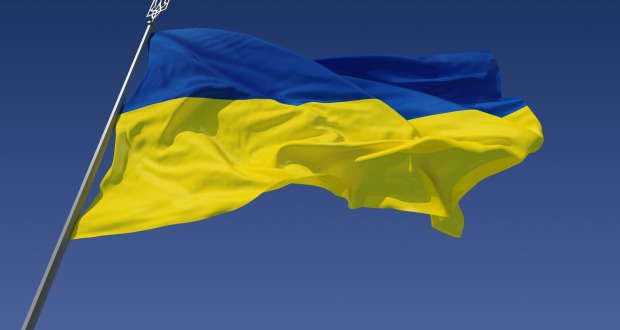
On July 24th two parliamentary factions left the “European choice” coalition in the Ukrainian parliament.[1] This coalition was formed in February as a result of the Maidan protests. On August 25th, after a month of the coalition breakup, president Poroshenko exercised his constitutional right to dissolve parliament and call for elections, which are likely to be held on October 26th.
Read More »Turkey was once one of Israel’s strongest allies in the region, though that, of course, does not necessarily mean much. Since 2010, however, and the much discussed, usually misunderstood and widely condemned Israeli action on the Mavi Marmara which saw 9 Turkish citizens killed, Turkey and Israel have not had diplomatic relations, despite a well-publicised apology and other efforts made.[1] With the latest escalation in Gaza between Israel and Hamas, diplomatic relations seem as far away as they ever have been.
Read More »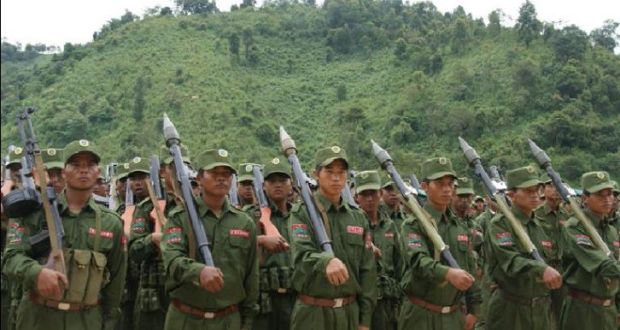
It is disturbing to hear of news that the United Wa State Army, an ethnic militia and former separatist group operating in Myanmar, may have acquired some fairly sophisticated ballistic missile technology, like those used to shoot down flight MH-17. According to Burmese intelligence officials late last year, there was evidence of the UWSA constructing a “radar and missile base” in the region around Tanyang, in the Shan state, supported by a Chinese company. It is not clear what kind of missiles the base is meant to be housing, though they have been described as “long-distance”, a conclusion which is supported by the kind of infrastructure being constructed.
Read More »
On 5th September, 20014, the HSC’s Director for Government Relations and Strategic Partnerships, Dr Dwayne Ryan Menezes, was on PMLR’s Westminster Podcast discussing the situation in Iraq.
Read More »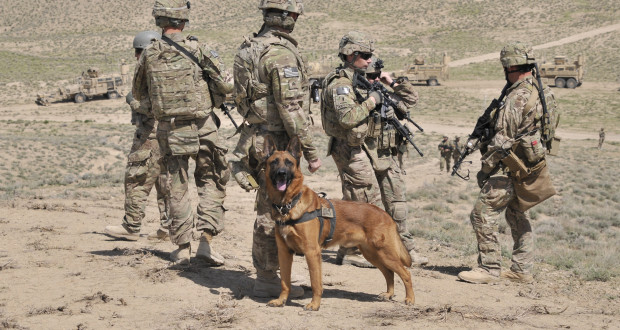
Civilian and military actors have operated together in hostile environments for many years, delivering crucial work to save the lives of those caught in crises. Historically, militaries, NGOs and political actors have most frequently worked closely together in the field of humanitarian crises, with activities usually coordinated to deliver aid and assistance by over-arching national or international organisations taking the lead in planning.
Read More »
In the age of globalisation, corporate responsibility can be a highly contentious issue. On the one hand, corporations can create job opportunities, increase gross domestic product and overall quality of life in countries where they are officially incorporated. On the other hand, extraction of natural resources from developing countries often contributes to destabilisation of the official governmental structure and gross violations of Human Rights. The positive impacts of corporate activity in one state make corporate criminal responsibility in another state a politically sensitive issue.
Read More »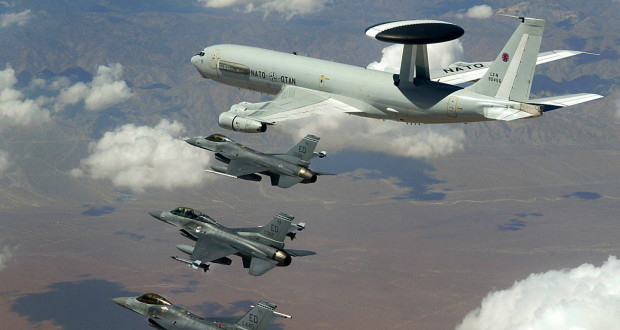
Whatever Russia’s ultimate intentions in Ukraine are following their annexation of Crimea, NATO – an organisation that was facing what some saw as existential questions post-Afghanistan – is now required to once again turn its attention to the defence of its member states.
Read More »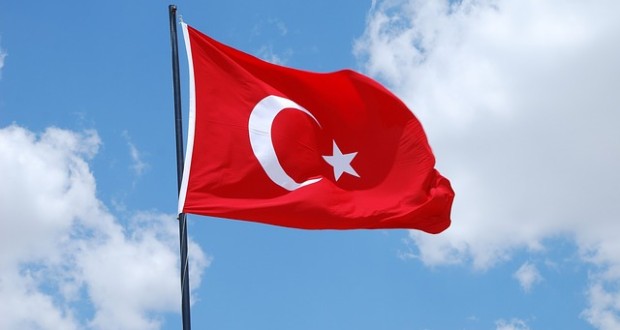
On August 10th, 2014, Turkish Prime Minister Recep Tayyip Erdogan of the Justice Party and Development Party (AK) made history by winning Turkey’s first-ever direct election for President[1]. The victory capped off a tumultuous third term as Prime Minister which saw Erdogan feud with the judiciary, accuse top military brass of treason, and preside over the violent suppression of peaceful protests[2].
Read More »