 Human Security Centre Human Rights and International Security Research
North Korea’s most recent missile test, which involved the firing of a submarine-launched ballistic missile, elevates the level of instability in Northeast Asia at a time when the regional political climate is already fragile
Read More »Asia and Pacific
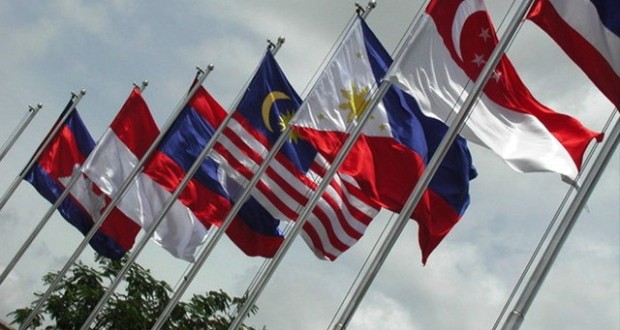
Political Earthquake in ASEAN: Exploring Each Member’s Standing
The Association of Southeast Asian Nations (ASEAN) is a cosmopolitan group drawing from diverse ethnic, historical, and political backgrounds. If there is one thing that unites all ten states, it is that change is occurring at a lightning-fast pace.
Read More »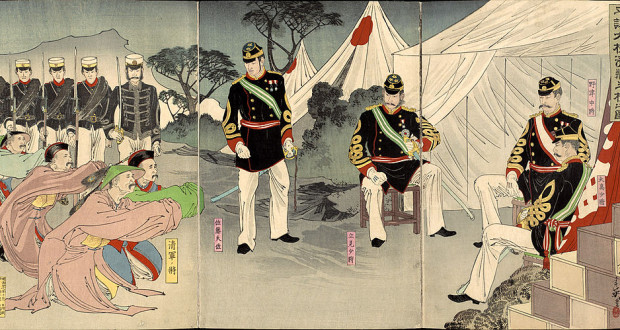
China’s National Century of Humiliation: Context for Today’s Tensions
The challenge for the US and its partners in the region is appreciating China’s complex history and the difficulties the CCP now finds itself in while also trying to develop negotiating space.
Read More »Next Steps in the South China Sea: What to do After Victory
September 8th, 2016 By Davis Florick – Junior Fellow The Philippines’ victory at the Permanent Court of Arbitration (PCA) was significant for the states bordering the South China Sea. For once, China’s smaller neighbors were able to stand up and ...
Read More »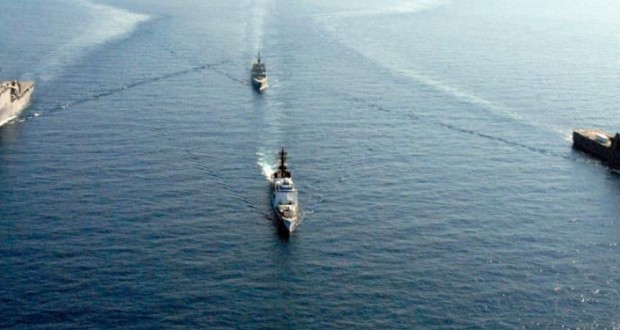
Freedom of Navigation and the Liberal World Order
International legal norms such as freedom of navigation must be actively upheld for them to remain relevant.
Read More »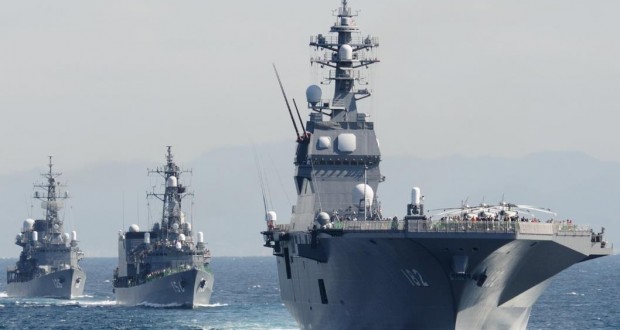
The Great Wall of Japan
Japan is embracing a role in the security order of South East Asia that it has long denied itself. Whilst it will never take over the role of the US in ensuring regional stability, the country is currently in the process of positioning itself as a leader in the drive to contain Beijing’s ambitions.
Read More »The Tragedy of Cambodia: Hun Sen’s Silent Dictatorship
The relativist argument that Hun Sen’s corruption is better than King Sihanouk’s ineptitude, Lon Nol’s civil war, and Pol Pot’s genocide is no longer acceptable for people born long after these other leaders’ times in power.
Read More »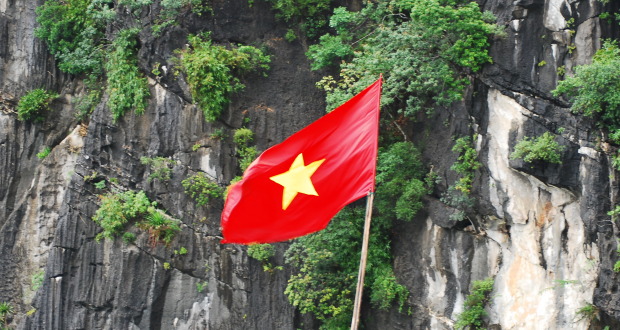
The Case for a US-Vietnam Alliance
Whilst both Vietnam and the US suffered a massive trauma as a result of the conflict between the two countries, the status the war occupies today in these nations is more as a set of personal tragedies, rather than a cultural and institutional monolith that defines the relationship between them. If handled correctly, enhanced collaboration could offer the prospect of massive and almost cost-free foreign policy benefits for both countries.
Read More »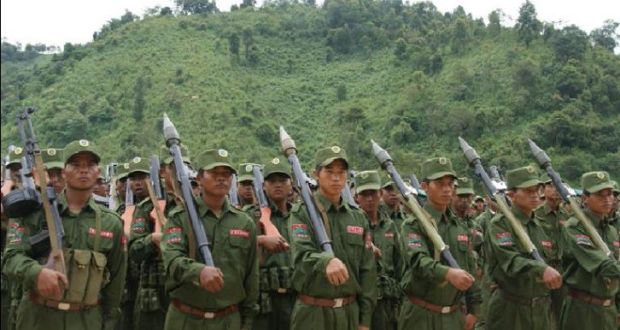
United Wa State Army: Trouble in South Asia
It is disturbing to hear of news that the United Wa State Army, an ethnic militia and former separatist group operating in Myanmar, may have acquired some fairly sophisticated ballistic missile technology, like those used to shoot down flight MH-17. According to Burmese intelligence officials late last year, there was evidence of the UWSA constructing a “radar and missile base” in the region around Tanyang, in the Shan state, supported by a Chinese company. It is not clear what kind of missiles the base is meant to be housing, though they have been described as “long-distance”, a conclusion which is supported by the kind of infrastructure being constructed.
Read More »Violence Against Women: A Response to Narendra Modi’s Independence Day Speech
Delhi, 15th August 2014, Narendra Modi addressed the nation in his first Independence Day speech as Indian Prime Minister. The ramparts of the iconic Red Fort provided a familiar setting. However, the content of Mr Modi’s speech broke from tradition. Notable was his impassioned plea for a shift in attitude on the issue of violence against women – an issue that, by his reckoning, still brings shame to India
Read More »